Sydney Sweeney’s “Just Sport” advert has sparked widespread controversy and debate surrounding women and their place in sport. Critics have questioned the decision to use Sweeney’s body and appearance as a central part of the advert, some argue that it reinforces the idea that a woman’s physical appearance is needed to attract an audience and say it has taken women back many years.
Athletes have also taken to social media to challenge the message they believe the advert sends. Following her appearance at the Ultimate Championship, track athlete Amy Hunt shared her reaction during an interview saying, “Sydney Sweeney, this is what women in sport look like,” whilst pointing at her fellow female athletes.
American gymnast Gracie Kramer also went viral after posting a montage of her athletic training in response to the advert, captioned “I don’t know what Sydney Sweeney was doing, but this is what women in sport look like.” Other athletes, including England track and field athlete Hannah Williams and Australian polo player Matilda Kearns, as well as fitness content creator Lucy Davis, have also joined the trend.
Australian boxing champion Skye Nicolson added to the debate, highlighting the distinction between celebrating a woman’s physique and using it as a marketing tool, “There is a big difference between being sexy because you do sport, compared to using sex to sell sport.”
Magazines such as ESPN has used its platform to celebrate the athletic form, such as featuring multiple athletes, including Serena Williams, in their 2009 edition of the “The Body Issue”, which showcases the physical capabilities of athletes and the dedication and training that goes into building their bodies. The focus is not simply on how athletes look, but on what their bodies are capable of achieving through sport, which is the key difference when compared to Sweeney’s advert.
In 2022, studies conducted by organisations such as Sport England and the charity Women in Sport show around 64% of girls age 16 stop participating in sports. This makes the visibility of female role models particularly important, as influential women can help inspire the next generation to see sport as a space where they belong. Against this backdrop, Sweeney’s advert has left some critics appalled, questioning whether its portrayal of women reinforces the very pressures that female athletes have spent years challenging.
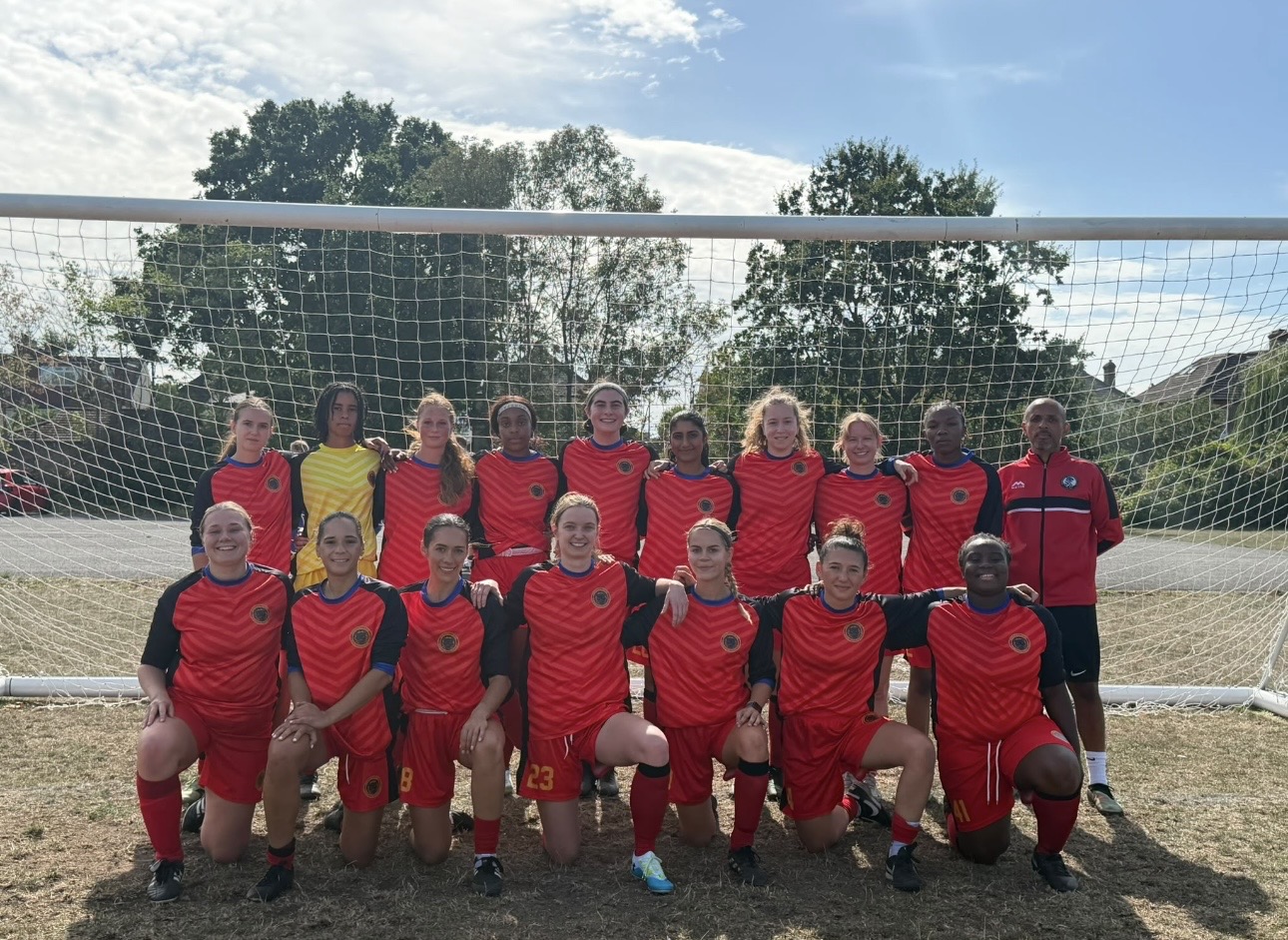
Players at Kenningwell United WFC have also voiced their thoughts on the advert. 17-year-old Gracie shared her feelings of disappointment by mentioning, “As a young person trying to grow in an industry that has already had to fight so much to get to this point, it feels so deflating.
“No matter how hard the women before us worked and how hard I myself am working to be in the women’s sporting world, it comes down to how desirable you are and superficial factors.
“I think it is also so difficult to see a woman so openly sexualised and I don’t like how degrading it is.
“I am sad for Sydney Sweeney that she doesn’t realise the effect her actions have and the way she is able to allow her body to be used in this way.” Continues Gracie.
Florence also shared, “My personal experience within football has been a plethora of shocked looks, or misogynistic words used when I say I play football. I am looked at up and down or not believed.
“I’ve had comments about my body in football shorts… therefore, ads like this Sydney Sweeney one feels infuriating that this message is being spread after years of attempting to eradicate female sexualisation in sports or the inequality within sports that we face.”
Kenningwell United WFC Director Michael has addressed the controversy, stating he stands in solidarity with female athletes. At Kenningwell, Michael added, “We must prioritise responsible advertising that respects women’s sport and promotes a positive, empowering image.”
While opinions on the advert remain divided, it has undoubtedly united all women in standing up for how they want to be represented in sport.